

Consider The Groundhog
Get Off Your Phone February Day 2: Thinking about rituals and practices of noting the increase of light and coming of spring, deep in the belly of winter

In my clinical practice as a psychiatry resident, I’ve had multiple mentors give me similar advice over the years of first medical school, and now psychiatry-specific training: Sometimes when things are speeding up, it is the most important that you help them slow down.
It’s pretty good clinical advice, but I’ve found it to be even better life advice. It took a long time to actually apply that advice to my life, but it’s been perhaps the biggest change between me at 30 and me at 20. I still find it annoying—as I did at 20—but that doesn’t change that it has been true.
I was reminded of the special rituals and traditions around midwinter by this recent post by Jodie Melissa Rogers of Slower Space. She states,
The past two weeks have felt fast, chaotic, and unpredictable. It doesn’t feel like it’s about to be clear and calm, and yet we must continue. Especially, dear reader, we must continue to tend to our own lives, our communities, and our work in the world that may seem most at risk right now. This is not a time for full stop collapse of our efforts, and though this is titrated by privilege, most of us need to continue now more than ever in our work that is challenging but important.
But what of the hours outside of our work? What does leisure time look like when the world feels upside down? Where does our pleasure live, and where do we get to feel calm? As others have written for decades better than I will here, constant exhaustion and disconnection from joy is an extreme that benefits those in power. In her book, Pleasure Activism: The Politics of Feeling Good1, adrienne maree brown speaks to this, saying as follows:
“I have seen, over and over, the connection between tuning in to what brings aliveness into our systems and bring able to access personal, relational and communal power. Conversely, I have seen how denying our full, complex selves—denying our aliveness and our needs as living, sensual beings—increases the chance that we will be at odds with ourselves, our loved ones, our coworkers, and our neighbors on this planet.”
― Adrienne Maree Brown, Pleasure Activism: The Politics of Feeling Good
This, in a very round-about way, brings me to what I’ve been thinking on this day 2 of GTFO Your Phone February.
Rituals for Slowing
This past weekend, Groundhog Day, Imbolc, and Candlemas all occurred. Each of these have very different histories and connections to both culture and worldviews. What they have in common, thematically, is the slowing in the final part of winter to notice a movement towards what is light, ie the rush of spring, still weeks away.
According to an article on History.com2, the history and modern practice around Imbolc comes from the Celtic pagan tradition, and is thought to be aligned with the portion of the sheep herding life cycle when lactation begins, as well as the first opening of spring. Imbolc was tied with the Celtic goddess Brigid, “who was evoked in fertility blessings and oversaw poetry, crafts and prophecy.”3 Even when adapted into Christianity through the figure of St. Brigid, the saint was known for her agricultural knowledge, lack of interest in marrying, and firey desire to start a monastery. Both depictions present the central heroine of this festival as powerful, passionate, world-connected women. We need that now.
In Candlemas, which I first learned about from the book Wintering by Katherine May, a tradition celebrated in Christian traditions tends towards the idea of celebrating emerging light (in the form of Christ being presented in the Temple, a sort of coming into society). It is, again, a mixture of culture and religious ritual over the centuries, and it celebrates the lengthening light4. For more on on light and making more of it in the winter season, see this lovely 2023 article on Katherine May’s Substack, titled, “How to light the dark months.”5
Finally, there is the groundhog, a sort of amalgam of all of this mid-winter roots. It is thought to be grown from the older Celtic lands that were later inhabited by those of German descent in the 18th and 19th century, and it seems to have focused on a beaver, rather than a groundhog6. Eventually, through word of mouth or the changing of available ground mammals, but by 1840 in Pennsylvania, groundhogs had become the keepers of predicting weather.
Putting it all together…
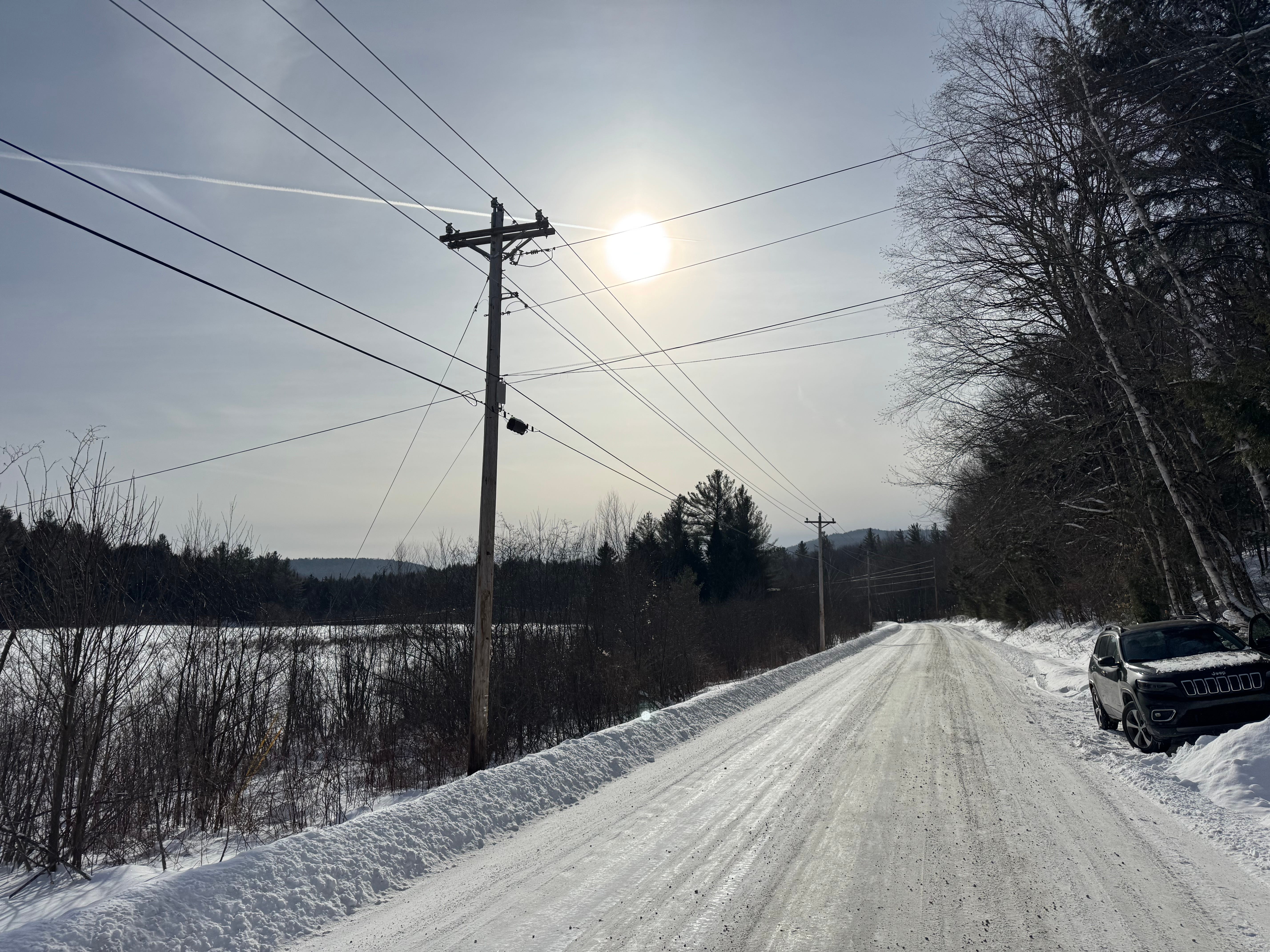
It is a modern idea to not have to slow down for anything—to caffeinate ourselves late beyond working hours, to have modern lighting keep us up at all times, and to have news and media coming into every nook and cranny of our attention. But what if we learned from this idea of slowly opening up in the middle to end of this cold season, and having even just a few minutes each day this month to look outside, to notice the sun setting just a bit later, to start to see the buds on the sinewy branches start to slightly burst through? Is there something to understanding the beauty of light not only in the obvious times, but in attention so keenly focused that even small transitions are seen and celebrated?
I believe there is, and regardless of the number of weeks left in winter, I think I can gather this from considering the deeper story of a groundhog.
https://adriennemareebrown.net/book/pleasure-activism/
https://www.history.com/topics/holidays/imbolc
https://www.history.com/topics/holidays/imbolc
https://waldorfshop.net/blogs/waldorf-education/celebrating-candlemas

https://blogs.loc.gov/folklife/2022/02/groundhog-day-ancient-origins-of-a-modern-celebration/