

April: Adopt The Pace of Nature
Her secret isn't 75HARD, aiming for 20,000 steps a day, nor becoming "unrecognizable"

Something about greenery is that it cannot be hounded to do what you want it to do.
This is something I remind myself, as I lean over the yellowed leaf of the green and white pothos plant that sits on the counter by my kitchen window. It has suddenly had a strand of leaves go yellow and crisp in the past few days, like the streak of gray that runs through my own hair. There does not seem to be a reason, other than that something is not quite as it should be for this plant (not my gray hair, thank you).
I first noticed this yellowed branch a few days ago, and promptly watered the plant, fed it a nutrient mix, and placed it in a more obviously—though not TOO obvious—sunny place. That was Friday, and now it’s Tuesday, and I cannot tell if the yellow is getting better or worse.
It’s curious, but I’m not too worried about it. This plant and I have been together for a few years, and each time it communicates something is wrong, we play at the dance of me figuring out the right thing to do to calm it, like some sort of herbal mother tending to a squalling infant’s cries. Like many living things, some attention and time brings my pothos back into balance, and she resumes onward sprouting new leaves and tangling around herself.
I find myself wondering every spring what it would be like to feel the same way towards growth and sickness in humans as I do towards my plant. As I see the Earth emerge from the hardened silver crust of winter towards sun-ruled months, I wonder if as a creature also part of nature, I’m supposed to know how to go back and forth between growing and decaying as intrinsically as my plant does. Certainly, we can’t be so different from every other living thing as to have forgotten entirely how to do this?
In prior springs, I’ve turned to older books that often feel they are more in touch with the relationship between nature and man. This often looks like re-reading childhood literature from the 19th and early 20th centuries: The Secret Garden, the roaming travel of Pride and Prejudice, the delights of the gossip and scandal of the regency era in all sorts of romantic novels. I’ve gone so far as to make a whole journal about it last year, called the Writers in Love Diary.
It shouldn’t surprise me that I feel moved towards the same feelings, aspirations, and desires each year at this time—it is almost too exactly what I’m talking about when I say we as people may have seasons in our nature just as the trees do around us. It is this desire that brings me back, for the second time already this year on my Substack, to one of my favorite Emerson quotes.
“Adopt the pace of nature: her secret is patience.”
I’m sure every person in their time thinks they are living through a cultural change of massive proportions. I read enough old books and articles to know that every generation finds something to love about coming of age when they were kids, and to point to something in their own time as adults to shake their fists at. With this knowledge, I still can’t help but feel the dissociation from nature as part of this technical, polarized age. I can’t help but feel the worry of how different and detached we are from one another when we are so attached to screens.
When we are already attuned to something, suddenly everything that we sift through our attention becomes fodder to apply to that topic we are already fixated on. As I sat reading my psychoanalytic readings for lecture this week, I was led down a rabbit hole that ended up reading a piece on what psychoanalysts make of how people respond to climate change. The paper, by analyst Harold Searles, reads as follows:
“In current urban living, there is not the close-knit fabric of interpersonal relationships, enduring over decades of time, which would enable one to face and accept losses as inherent in human living—the losses involved in the growing up and growing away of one’s children, the aging and death of one’s parents, the knowledge of one’s spouse’s and one’s own inevitable aging and death.”1
Is this not precisely reflective of how we would describe our current times, Iphones and tech oligarchs and all? Yet, this paper was an early one in eco-psychology, and was written in 1962. Emerson in Nature in 1836, and now a psychoanalyst in 1962. A sense of both right-connection with the Earth as well as a sense of disturbance in that connection existed 70 years ago, almost 200 years ago, and probably much further back than that. I, here with my little newsletter and Ipad with highlights in my lap, wonder at the same thing each spring. How does Nature know, and how do we remember that we are the same as Her?
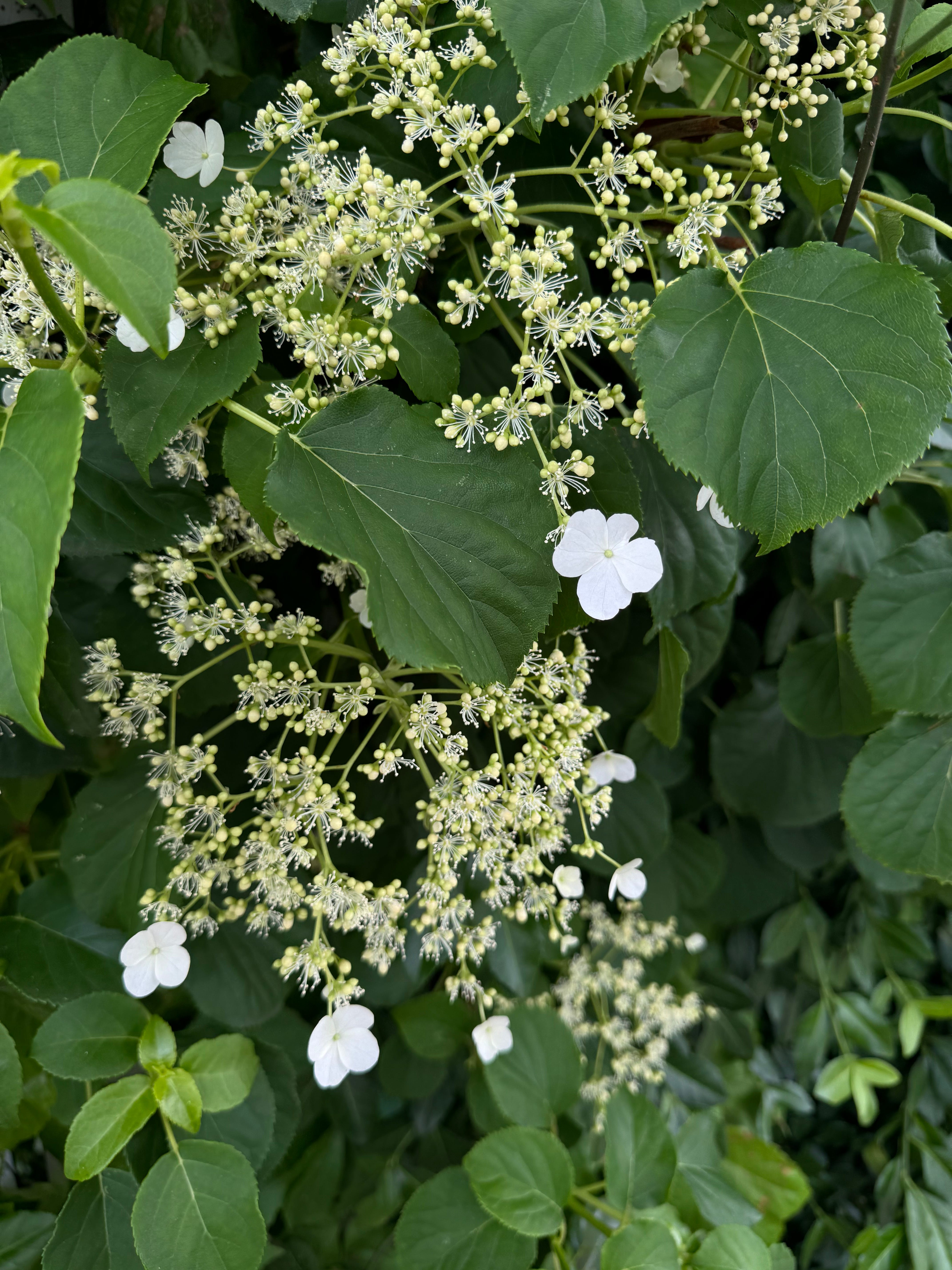
If growing, sprouting, blooming, and decay are part of Nature, then they are a part of our cycle as well. When we insist only on pure growth and blooming, we find change an impossible thing in our lives, because it goes against our own nature to try to divorce a part of this cycle from the rest of its parts. When we require no decay, no illness, and ultimately no death to be part of our understanding of human life, we lose our access to the beauty of the living thing’s ability to change over a lifetime. Online, when we require total and permanent transformation, we require a lie. This delusion keeps us in the negative spiral of rigid “improvement” and collapse into exhaustion. It isn’t how the rest of the Earth works, and we can’t expect it to be how we would, either.
Beyond the need to “touch grass” as is said online, it seems clear that I need to not only reduce screen time, but increase tactile time with living, changing, and mortal things. It reminds me of how life will be for me—both in pain and in the wonder of it. In spring, I’m grateful that the increasing temperatures and sunlight (and, why not, even the pollen I’m allergic to) for prompting me to desire change that is embedded in the seasons of things, rather than robotic.
When we live in a world ruled by the pace of technology and profit, to instead live as Nature does is revolutionary.
Take care, and thanks for your attention.
Margaret of Bad Art Every Day
https://pep-web.org/search/document/PSAR.059.0361A