

Tending Your Garden, Part 1: 21 Values-Based Ways to Save Your Money, Time, and Mental Capacity
We can't control much, but here are ways to pull our resources back into ourselves and our communities this spring.

For my entire life, I have lived in places with deep winters. Whether it was South Bend, Indiana in the Polar Vortex, or this year in Boston, I’ve lived in places with winters that last 6 months. When the long winter does finally lift, the urge to fling off all heaviness and excess arrives as well. Call it what you will—a spring reset, refresh, declutter, simplify, whatever. Like the seasons change, this feeling to find lightness and space for growth always arrives.

In 2026, this feeling arrives attenuated by the current political and cultural events of the world. It is not just about simplifying for aesthetic purposes but about taking power back by noticing where my resources have been flowing. Personally, as a healthcare worker with student loans, this means finances and time. With the rise over the last decade of the attention economy that only seems to escalate year after year, this is also about the mental resources of attention and cognitive load.
Like many, it has felt lately like so many areas of modern American life are an urgent siphoning of money and time wherever possible from us. While we mourn the physical third spaces already lost, we concurrently lose the digital third spaces as the wild frontier of the internet is bought, paywalled, and filled with ads. Apps like TikTok and YouTube now feel like 60% ad, 40% content, and little of the profit those ads generate actually go to the creatives making the work you’re there to enjoy. While the internet is made into rooms you need a subscription to access, subscriptions and monthly fees are being infused into everything from our rented apartment access key to our cars.
Any change in the economy is used as an opaque reason to increase prices, and promises are not given that those prices will come back down once that change is gone. AI is forced into companies, and then used as a reason for layoffs. People can barely afford life as it is, so they cling to jobs that treat them poorly and offer health insurance with huge monthly premiums. They work more hours and have less leisure time as they work more, and this leads to greater likelihood for impulse spending and needing shortcuts for daily life tasks because of the lack of time and cognitive bandwidth. A negative spiral is easy to be trapped into and the longer we are in it, the more profits those at the top get.
The heavier part of this article is over, I promise. If you’re reading this, I bet you’re already aware of it and living it. Let’s get onto the good stuff.
Below is part one for ideas for how to save money, time, or cognitive bandwidth this spring that I’ve been trying to apply. Not all of them are about spending no money or time, or never taking an easier path. They are about re-aligning how what we have is used more consciously and in a more values-based way. My hope is they offer you a small bit of freedom and something you can control in a world where everything feels very much out of our control. Each one includes the specific value or ideal it can help you live out, and later this week I will release parts two and three, ie for time and mental load. As outlined above, these three resources are very much linked, so hopefully each set of seven is helpful across categories.
This list is not about saving from a place of pure discipline. Individualism and frantic optimization is something that emerges from a culture and economy of isolation and understandable insecurity in position, and I think you all know by now I am a hater on the emergence over the years of discipline for discipline’s sake. These ideas are about doing something you might already want to that just so happens to help guard your precious resources more. Some that I suggest may feel right, on balance, for me but feel punitive for you—don’t take those ideas into your life! The point of these is to offer many things that you might try on for size and experiment with to see if they feel good for you. I want these to offer places to start from that, when applied creatively and kindly to your own life, improve the sense of power you feel in your daily routine.
Seven on Saving Money
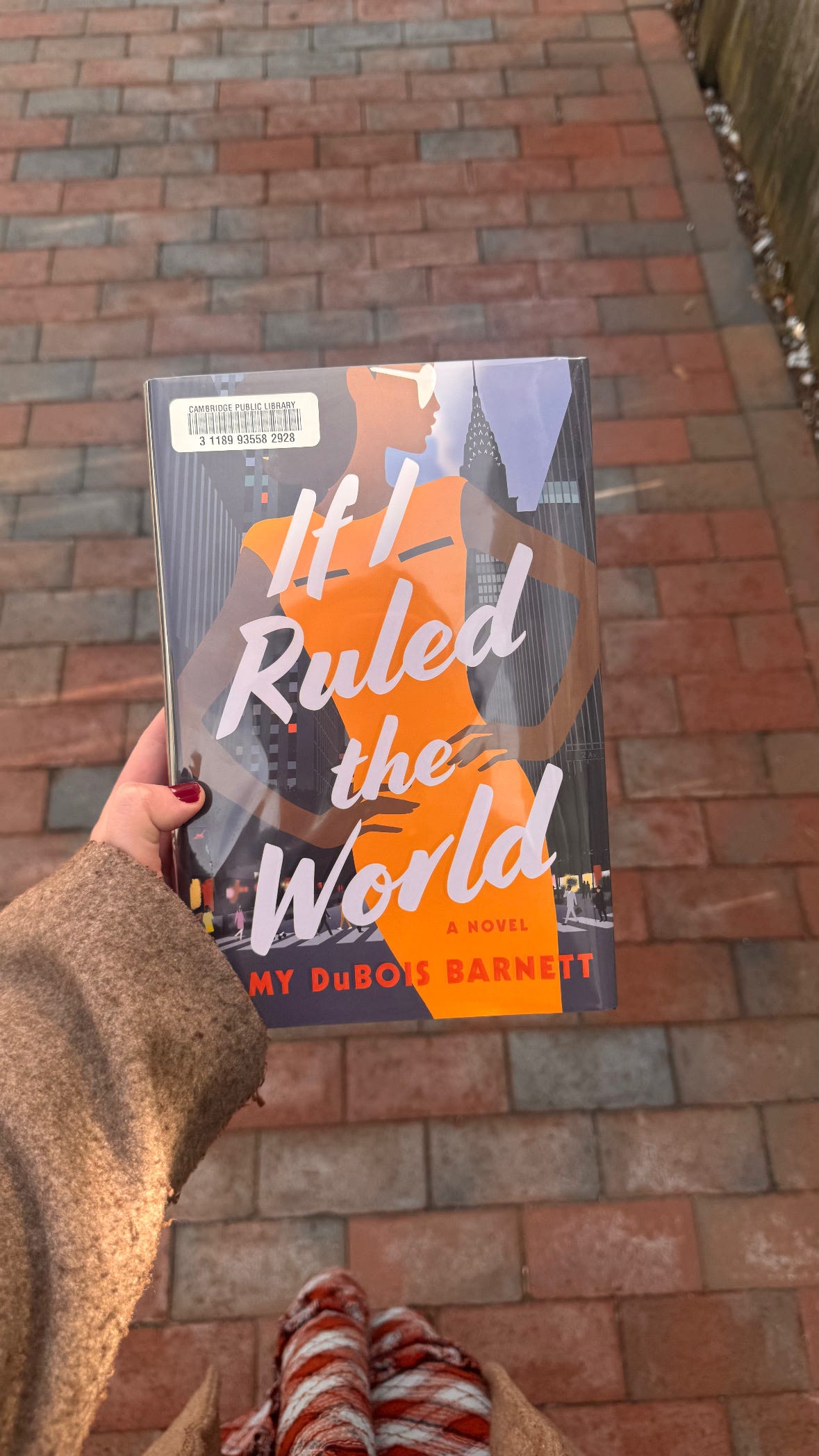
Engage in an experiment for the last two weeks of April to utilize your local library instead of streaming/subscription services where possible. For me, this meant cancelling the Kindle Unlimited subscription I had (and that often didn’t even have the books I wanted but my in-person library did) and cancelling my streaming services that require individual subscriptions. Again, I am not an advocate for perfectionism with this stuff—I can still use HBO and Disney because I share them with my family and friend. Otherwise, I’ll be using Tubi (free with ads…but Netflix paid has ads now anyway!) and my DVD player for library DVDs, as well as Kanopy through my local library’s access.
Value besides saving money: I’m noticing I’m consuming the same stuff as everyone else, and while I love the pop culture of that, I also would like to be more wide-reaching in my inspiration so that I run into more new ideas. Limiting my streaming services may have me either watch less and read more or watch different genres or periods of film/tv. Also: support my local library and be more involved with my local community.
There is SO MUCH we cannot control about prices and money right now, and I’m not Pollyanna about that at all. BUT!!! One thing I can control is knowing where my money is coming from and going to more closely. This month, I’m writing down what I spend and what I earn each day in my planner to make me more aware of daily finances. You can use an app for this, too, but I primarily use my usual bank app and credit card app to get these simply.
Value besides saving money: It’s hard to feel secure if you’re uncertain. Often, this ignorance is because of either lack of being taught skills with finances or having had hard experiences with money. However, when we avoid these things, the sense of shame and the situation often worsens and traps us in a negative, escalating cycle. I’ve been there, and I think it’s something we always have to work on over our lives. Starting small with just knowing and bringing a kind curiosity to our daily finances can be a good step.
Help yourself reduce weekly spending by becoming more aware of what you physically have. What do you find you often are spending on in an in-the-moment way that you wish you would not? For me, this often happens in areas where I am less mindful about planning ahead or where I am more messy. Before buying a new workout set, I’m challenging myself to fold and reorganize my current workout clothes so I’m more aware of my needs or wants more clearly. For meal planning, having an organized kitchen cabinet and fridge lets me know what I have or need to restock on, and having recipes I like or pre-prepped frozen foods from Trader Joe’s helps me resist frequent fast food or Grubhub orders. Like finances above, it’s hard not to feel overwhelmed and make quick-hit choices when we don’t actually know what we have.
Value besides saving money: Understanding what we have can often make us better stewards of it. Whether it is being more able to be creative with personal style or feeling a sense of satisfaction and mastery in the kitchen, knowing what we have helps us use it more skillfully. It doesn’t mean never buying something new—it just means we don’t feel like we are surrounded by messy excess but still never have something to wear or eat that makes us feel good.
Set a creative frame that imposes limits on spending for a week at a time. This could be an experiment where you can only make meals from what you have in your cupboard or freezer. Depending on your stage and station in life, this could look like only being able to go to free events or where there is free food being offered this week as the way you can eat outside of what you have at home. This could look like doing a swap of some sort with friends or in your local community. Saving or reducing spending does not have to look boring and tedious—it is actually a victory of capitalism that we actually believe that (which I wrote about here).
Value besides saving money: Creativity is not bought, it is lived. This is why I spam you all over and over again with The process is the point. But we have forgotten this, and we have been made to forget it for the sake of consumerist profit. Creativity has never primarily resided in human in history in the hands of genius. Creativity has lived in made-up lullabies for a child who won’t sleep at 2 am. It has lived in the blanket your grandmother once made for you that you still keep on your bed. It is in the lopsided birthday cakes and scribbled post-it note jokes and even the thorough Reddit comments on niche boards and hilariously specific comments on TikTok. Frames help us to look outside the button of buy and force us into make.
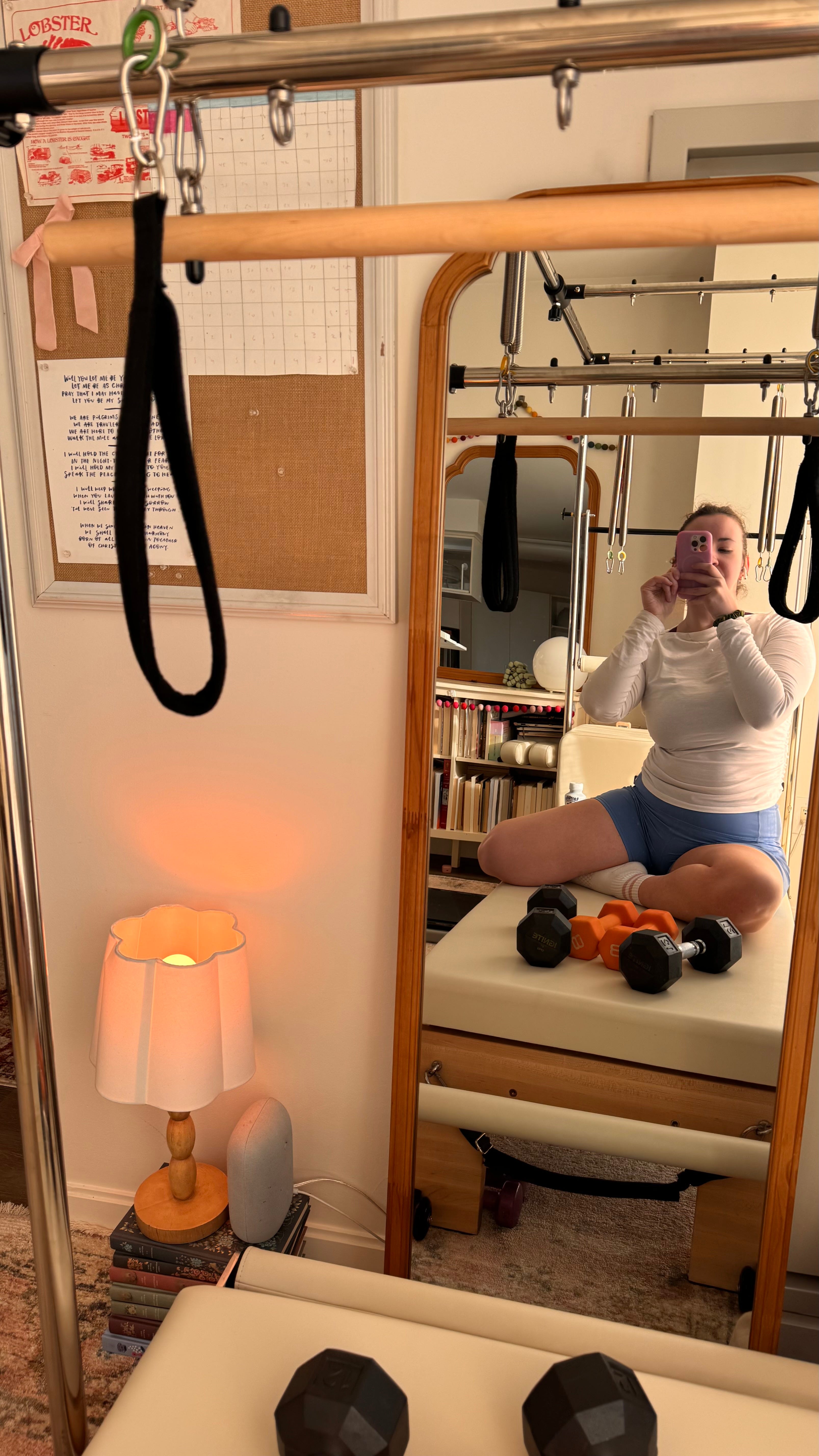
Make money in a way you find delightful. Walk with me, I want to do this point in a nuanced way. This is not a post about making all your hobbies into work and constantly therefore being a worker-bee instead of any leisure time. There are financial straits and times people need to do that or do part-time gigs because they’re on the financial brink. This point is not for that situation. This point is to say there may be things you love that you would still love while making money leading them, and that leading them might feel really good. For example, after going to medical school and now working in eating disorders and treating many female patients, I got certified to teach pilates, and now teach twice a week at a local yoga studio I love. I make maybe $100 a week from it, but the benefits it has given to me don’t feel like work. It has kept my workout routine regular, kept me engaged in creativity through planning classes and playlists, and given me a way to afford access to a lovely yoga and pilates community in Boston that I would struggle to afford monthly if I didn’t teach. I feel similarly most of the time about writing this Substack for you all, as it helps me deepen my writing practice, keeps me routine in it, and lets me be a part of the virtual community of creatives online, while also supplementing my fellowship income each month to afford to no longer live in a mice-infested apartment in Boston. These are just examples from my own life, but I think there are many ways of making a little extra money in a way that actually helps you feel more engaged in the world in ways you want to be engaged, and being open to these can be helpful for your bottom line and your sense of being in the world, especially if you miss a part of yourself you find not expressed in your day-to-day work.
Value besides saving money: A sense of skill-building and mastery in an area important to you. A connection to different parts of your local or online communities. A practice and routine that has been hard for you to keep up without more structure/incentive.
Create a gentle accountability space. My friends recently decided to meet every month or two to have a place for each of us in our different careers and lives to talk about money and our goals. We are all in different fields, and none of us are experts, but having a space that is both a time for connecting to those you love and that you return to regularly can help with all of these ideas. So many of us have difficulty with money for both external and internal reasons. A regular check in not only strengthens your relationships, but it also gives you new ways of thinking about your situation. My group is friends who live all over the country, so it’s also something to do together when we don’t have regular shared routines anymore.
Value besides saving money: Engaging with those you care about more frequently. Improving your financial literacy. Opening up your ways of thinking about money and making money so you’re not only being influenced by people talking about money online and stories you’ve inherited. Lastly, your friends believe in you and might help you dream a little bigger than you would alone, and can soften the anxiety or stress by sharing the load with money.
Reduce unpleasant situations that lead to impulse spending. Easier said than done? Yes. But concretely possible? Also yes. This is one where sometimes you need to spend a little upfront to reduce unpredictable spending along the way. For example, this year, I’ve decided to budget to get my apartment deep-cleaned by a professional. Beyond making my life easier and giving me a sense of delight quarterly, this also makes the amount of cleaning I need to do week to week feel more manageable. When this is more manageable, I actually do it, and so my apartment is tidy and calm more often because I’m not building up and putting off some massive, overwhelming clean by myself. When my apartment is calm, I look forward to coming home each day and my morning routine successfully happens more often. I don’t let things pile up, so I can cook more because there isn’t a reflection of that overwhelm as dishes in the sink, so I don’t impulse spend on take out as often. I know where my clean workout clothes are, and so I make it on time to my classes I teach and the ones I attend and feel better about all my workouts. One spending moment helps reduce many impulse moments of Ubers, takeout, or convenience but not delightful purchases in the weeks after.
Value besides saving money: This one done well can help you feel more cared for in your daily life. Feeling less frazzled day-to-day is what helps me feel most creative and centered in my life. Additionally, feeling prepared helps us be able to take in the joy and meaning more in our work, our families, and our hobbies.
If you enjoyed this post, subscribe to stay tuned for part two which will be ways of protecting your time, followed by part three on protecting mental bandwidth.
As always, thank you for the time and attention you spend here, and for my paid subscribers for their financial support. I truly appreciate you being here, and I hope this community is a good use of what I know are scarce resources.
Take care & take your time,
Margaret of Bad Art Every Day
P.S. I am currently in the process of opening my private practice as an adult psychiatrist and psychotherapist in Boston, Massachusetts. If you would like to get on my waitlist to formally work together in a clinical format and you live in the state of Massachusetts, you can find my clinical website here. If you are mental health care professional and wanting to work together in a mentorship/supervision capacity, inquiries come through the same clinical website.
I really appreciated this. It seems that these things boil down to seeing and valuing what you have now, not focusing on scarcity or future acquisitions. I’m working on retraining my overachiever brain towards this mindset.
i love the art pieces you chose for this article! i couldn’t help but take in the peacefulness and beauty in each one :)