

Messiness As A Portal

Watermelon juice dripping off sticky fingers. Sand stuck to legs and hair and armpits. Butter and barbecue sauce decorating the cheeks and hands of little faces. Birthday candles and their melting wax blending into vanilla frosting.
While I write to you, I’m sitting on a beach in Florida, surrounded by the high pitched giggles and yells of 8 nieces and nephews (yes. And most of them are younger than 4 years old). This is our first vacation together in many years, because of pregnancies, weddings, training in the hospital, and serious illness. We are all together, maybe for the first time in a decade. Even better—we are all under one big roof, sharing meals and sleeping schedules AND sleep regressions.

You can’t escape mess when you’re little, and you don’t try to. Very simply, you don’t have the skills to not make a mess, and when it comes to good play, it usually involves being so immersed that a mess is a marker of success. When it comes to priorities, you can tell that little kids aren’t observing themselves from the outside, and that it truly hasn’t occurred to them that they should.
It reminds me so much of this quote by Anne Lamott, which is my favorite quote to share every summer since I was 21, almost a decade ago.
“Oh My God, what if you wake up some day, and you're 65, or 75, and you never got your memoir or novel written, or you didn't go swimming in those warm pools and oceans all those years because your thighs were jiggly and you had a nice big comfortable tummy; or you were just so strung out on perfectionism and people-pleasing that you forgot to have a big juicy creative life, of imagination and radical silliness and staring off into space like when you were a kid? It's going to break your heart. Don't let this happen.”
Of course, the mess isn’t just idyllic details. While writing this, all the little children began to peel off to each of my siblings with different complaints.
“I’m hungry.”
“I’m itchy.”
“I’m tired my eyes hurt.”
And the little ones just with cries and screams, too little to know whether they are sleepy, constipated, hungry, over-heated, or overstimulated from being around 8 kids playing for hours with sand somehow underneath their swim shirt and in their diaper.
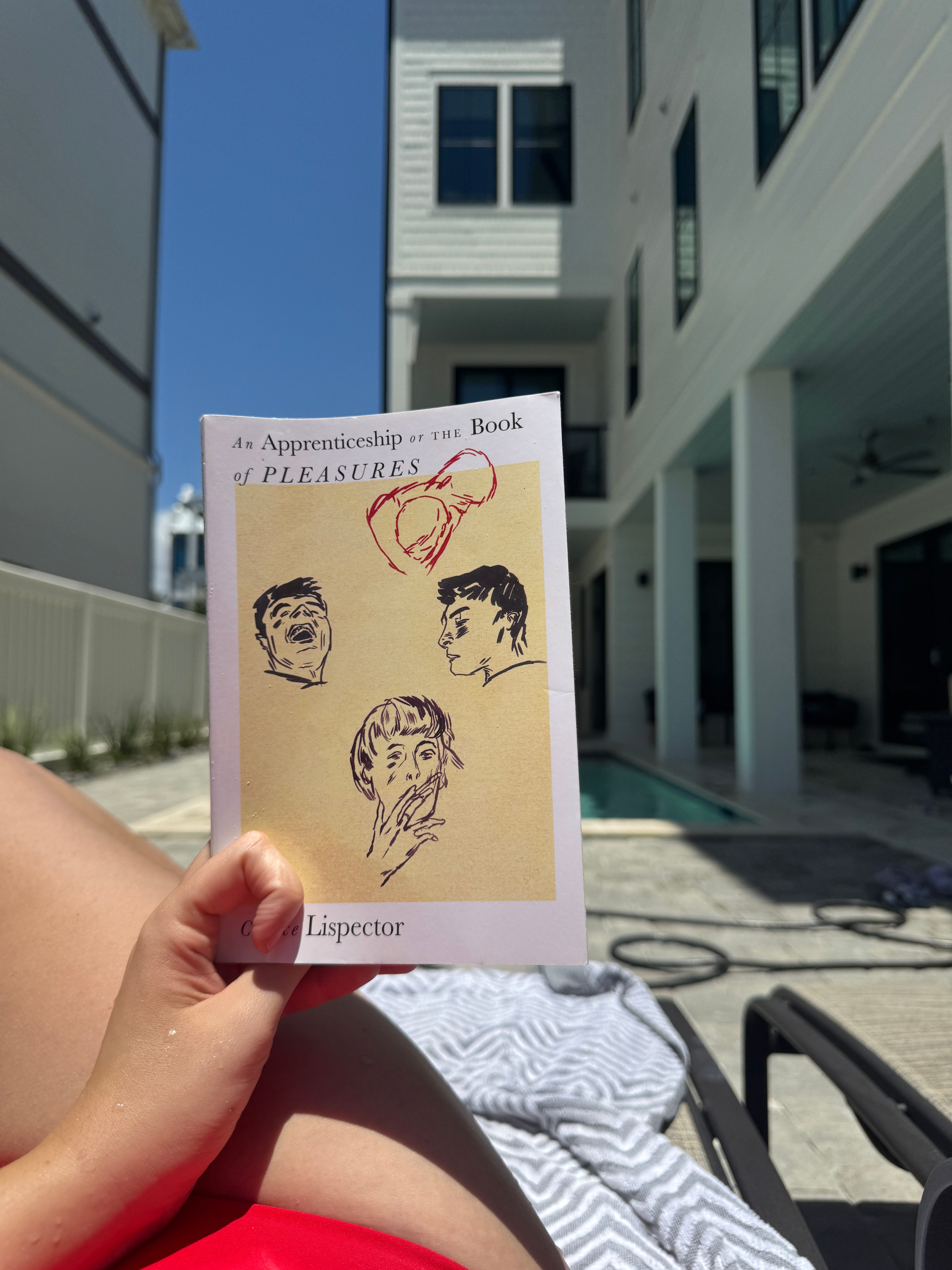
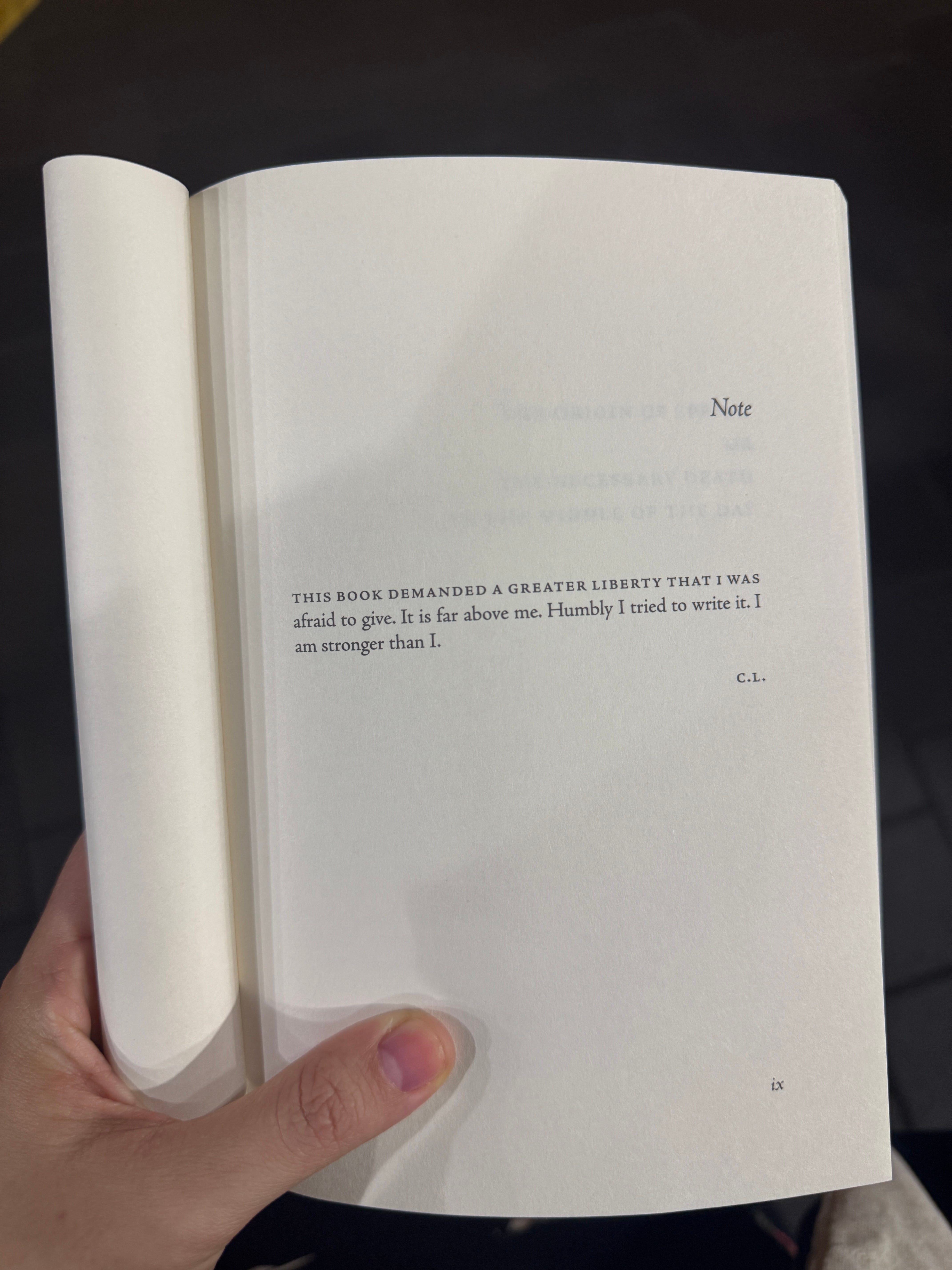
One of my joys is that I am NOT a parent on this trip, and get to be one of the best roles in life: the fun aunt. While they go and try to get their children to eat and rest and shower, I get to sit by the waves, eating fresh fruit and contemplating the margarita I’ll have with lunch, and ready to read the Clarice Lispector novel I recently bought back in Boston. This is just the right dose to learn from little ones while having enough sleep and time apart to reflect on what it means.
Consuming social doesn’t just influence the content we consider in our thoughts and habit. I’d argue the form shapes us even more significantly, perhaps because it is harder to see what it does to us. One of the primary things that it does outside of limit our attention spans and capacity for friction (which I wrote about here), it changes our imagination of normal. We’ve all heard of the “highlight reel” that social media has offered since the start of Facebook, but I don’t think we understand how profound that is via TikTok and video format now.
When we consume cleaning and organizing content, our recency bias will have us operating in our off-screen life with a subconscious comparison to the hour we spend scrolling each day. We lose the context that there are many ways to have a clean, safe, working home.
When we consume beauty content, even if we cognitively know filters and plastic surgery are used, and that most beauty influencers represent the 1% of the population in highest accordance with current beauty standards, we don’t emotionally know that. When you spend two hours every day seeing perfect faces, so perfect they are nearly superhuman, when we look at our own in the mirror, it is no wonder we seem more and more displeased.
And when we see all “good” emotions online or “bad” displays of negative emotions (*crash out* is a term for a reason), we fall into the false dichotomy that anesthetizes the human spectrum of emotions many of us feel all day, every day. And, as a psychiatrist, though some struggle with emotion and cognition that deserves treatment and support, social media also makes many of us think any emotion that isn’t contentment or anger is akin to being broken and pathological. As a clinician, I always want people to get the care and support they need in healthcare settings AND in community. But I also don’t like that social media, both implicitly by what is shared and explicitly by the Wellness “medicine is something that can be overcome if you do enough Right Behaviors” part of the algorithm. All of this together makes real but safe mess into something to be hidden or hated, and this causes us to lose something.
Lately, I’ve been thinking that much of the joy of our daily life lives in our senses, and the more we become self-conscious and view ourselves from the outside with a judgmental tone, the less access we have to that full, glorious, daily life. Going on vacation is acting as a reset for me, but it doesn’t have to be that big. Below, I’m leaving you with three journal prompts and three small activities to help reconnect with good mess, no vacation or children required.
PROMPTS FOR YOUR JOURNAL
When was the last time you were around kids, animals, or nature that made you feel ensconced in your senses rather than living life cognitively only? It could be a cooking class, a jump in the pool, playing with your dog at the park, or a really good run. When did you last let yourself be in the mess instead of judging it?
I’m currently reading Gretchen Rubin’s latest book, Life in Five Senses. Is there a sense you feel particularly drawn to? Does smell—via a candle or holding a newborn baby—calm you down? Do you find yourself able to differentiate different tastes and textures and be transported somewhere old or new? Does a sunset stay with you a bit longer than others? Sometimes our favorite sensory experiences are our path to embodiment (and mess).
What stories do you have around mess, particularly when you feel “like a mess” or you feel ashamed of the space you live in? Mess and shame are often deeply intertwined, and sometimes understanding how we judge ourselves in it can help us recognize old stories more quickly when we don’t want them to rule us.
ACTIVITY IDEAS
Let yourself cook without a recipe. Go workout outside, and let yourself get to that perfect point of hunger between breakfast and lunch where you could eat anything and it would taste awesome (I’m talking like 4 hours yall know I am not pro fasting or restriction). Let yourself put together random things that you sense would go well as you snack on a small appetizer plate pretzels or veggies. See if you can connect your hunger and your hands into making a good mess of creating and feasting.
Make bad art. YES, I know I always suggest it. But I get the sense many of you read it, think “I should,”, then get all in your head and don’t. So make BAD art. I give you a mission to make it ugly, in fact, purposefully try to make it ugly. The pressure is zero. The mess is the point.
Do something that will make you unpresentable. This could be swimming in your local lake or ocean or pool. It could be doing your makeup in the wildest way possible that you would never do. It can be digging in a garden or going on a hike where your hair curls up and your acne shines through sweat. Do something out in the world where being presentable is anathema to the activity.
See you next time, my readers.
Take care, & take your time,
Margaret of Bad Art Every Day